
Washington State
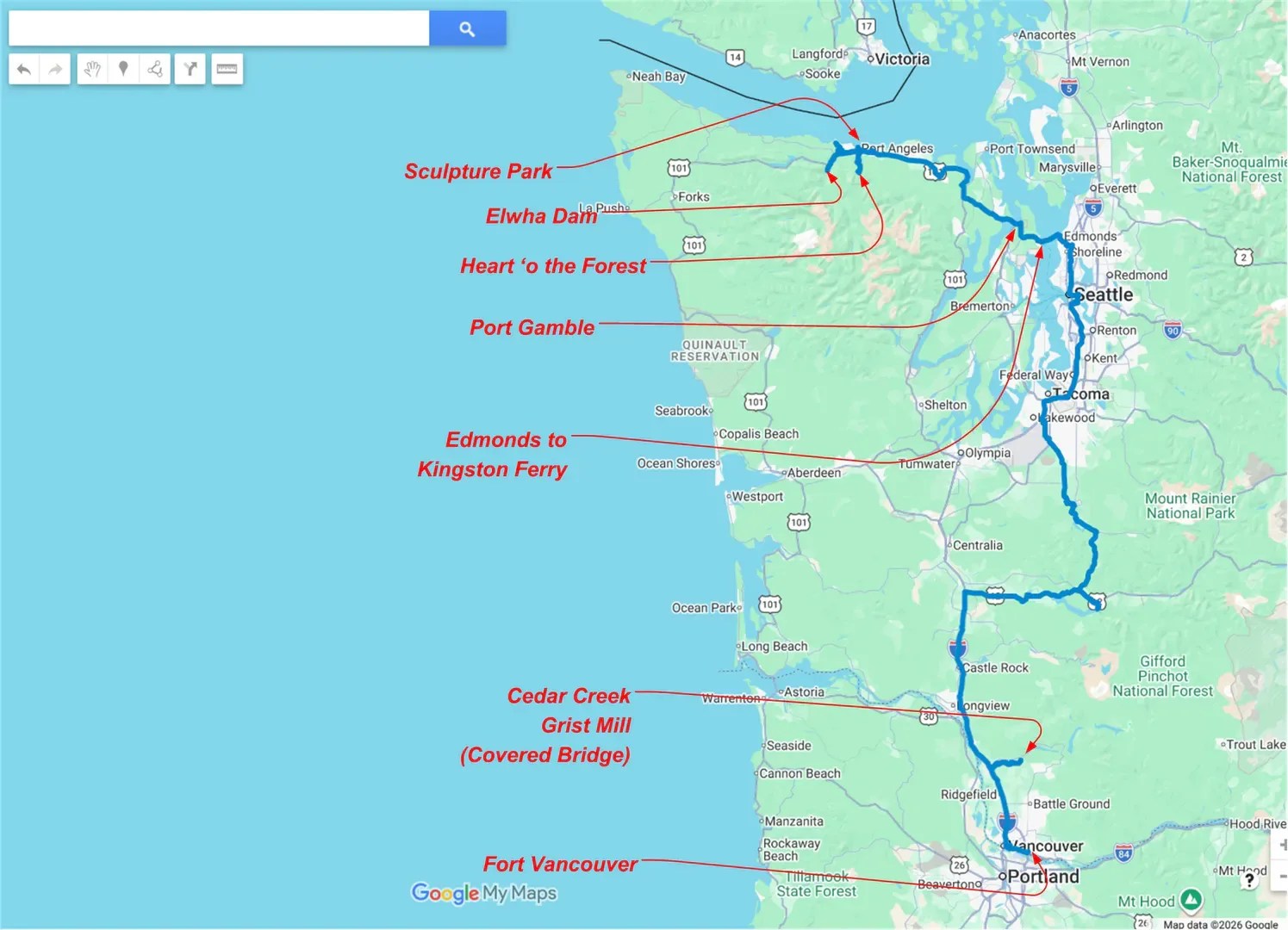
Crossing into Washington State from Oregon, our first stop was Fort Vancouver National Historic Site. Here we explored the historic fort (with working kitchens and blacksmith), the small aviation museum and the more modern fort. The historic fort was a major outpost of the Hudson Bay Company, chartered in 1670, by King Charles II, and originally established as a vast fur-trading enterprise that once controlled over two-thirds of modern Canada. It was interesting to Dave because when his grandmother died sometime ago, we discovered she held shares in the HBC bought by Dave’s grandfather (who Dave never knew). He owned the hair dressing concession on the Cunard Line and Dave’s grandmother’s house had artifacts from all over the world, such as exquisite ivory, Persian carpets and hardwood furniture. We guess he had free shipping!! This was our first experience of a “living” museum, where there were museum volunteers in period clothing re-enacting activities of the time. We chatted to the “cook”, who was making a typical meal for the managers of the outpost (looked tasty, but unfortunately, health and safety rules meant that visitors couldn’t try the dishes). There was also a blacksmith, making nails and a carpenter.
The aviation museum’s core theme was the unexpected landing of the world’s first non-stop transpolar flight, piloted by Soviet aviator Valery Chkalov, at Pearson Airfield (within the fort’s grounds) on June 20, 1937.


Of course we looked up the local Scottish Country Dance group and joined them for an evening of dancing.

Whilst in Oregon we managed to somehow miss crossing any of its famous covered bridges. Luck would have it that there was one in Washington state and so we took a short detour to go and have a look.


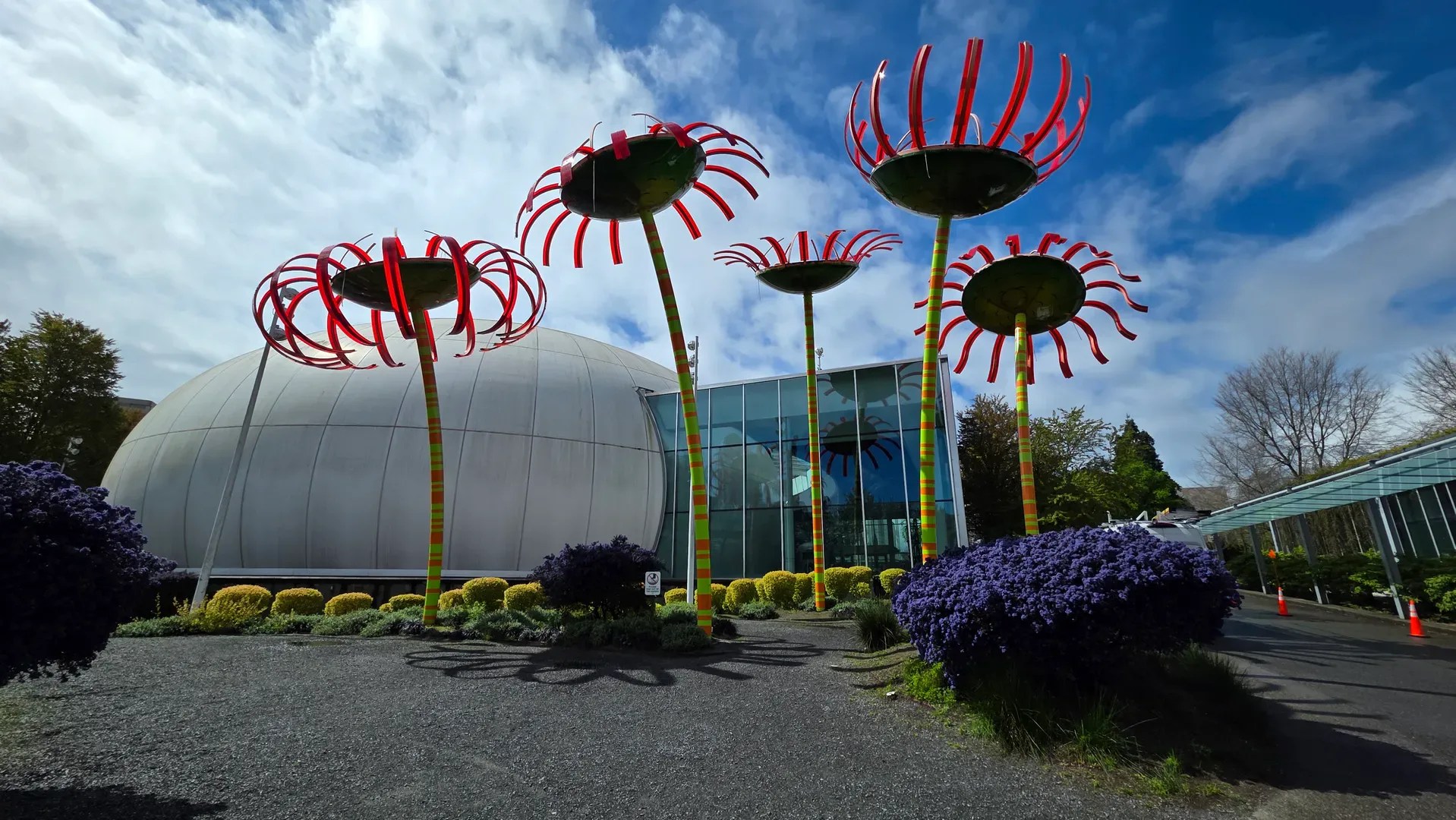
We then made a beeline for Seattle, mindful that the Alaska Spring season was approaching fast. We managed to find a waterfront parking spot on Washington Lake from which to base our operations. Luckily it was served by a bus route to downtown Seattle. The weather was not brilliant (it rains a lot in Seattle) and we were confined to Big Bertha for one day. We met up with our friend Rob, last seen in Taiwan in 2001, for a waterside evening meal. Unfortunately Rachel, his wife, was in the UK, but Rob caught us up with his news.
The picture with Francine looking slightly disgusted is ‘bubble gum’ wall in downtown Seattle! Theatre-goers waiting to enter the theatre before the performance started sticking their gum to the wall (yes, we don’t understand this either!) and it’s now a “thing” (and therefore had to be visited)!



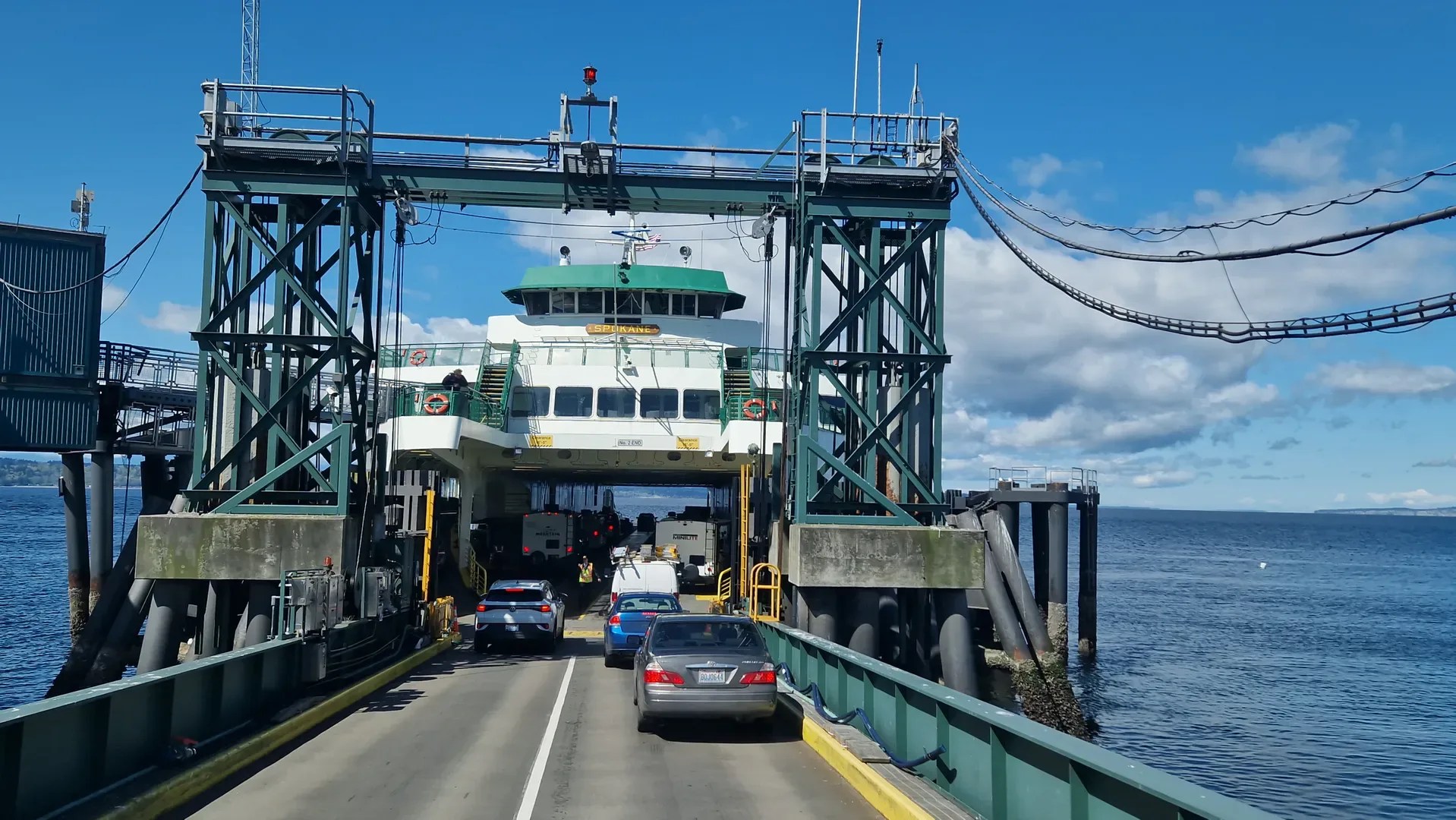
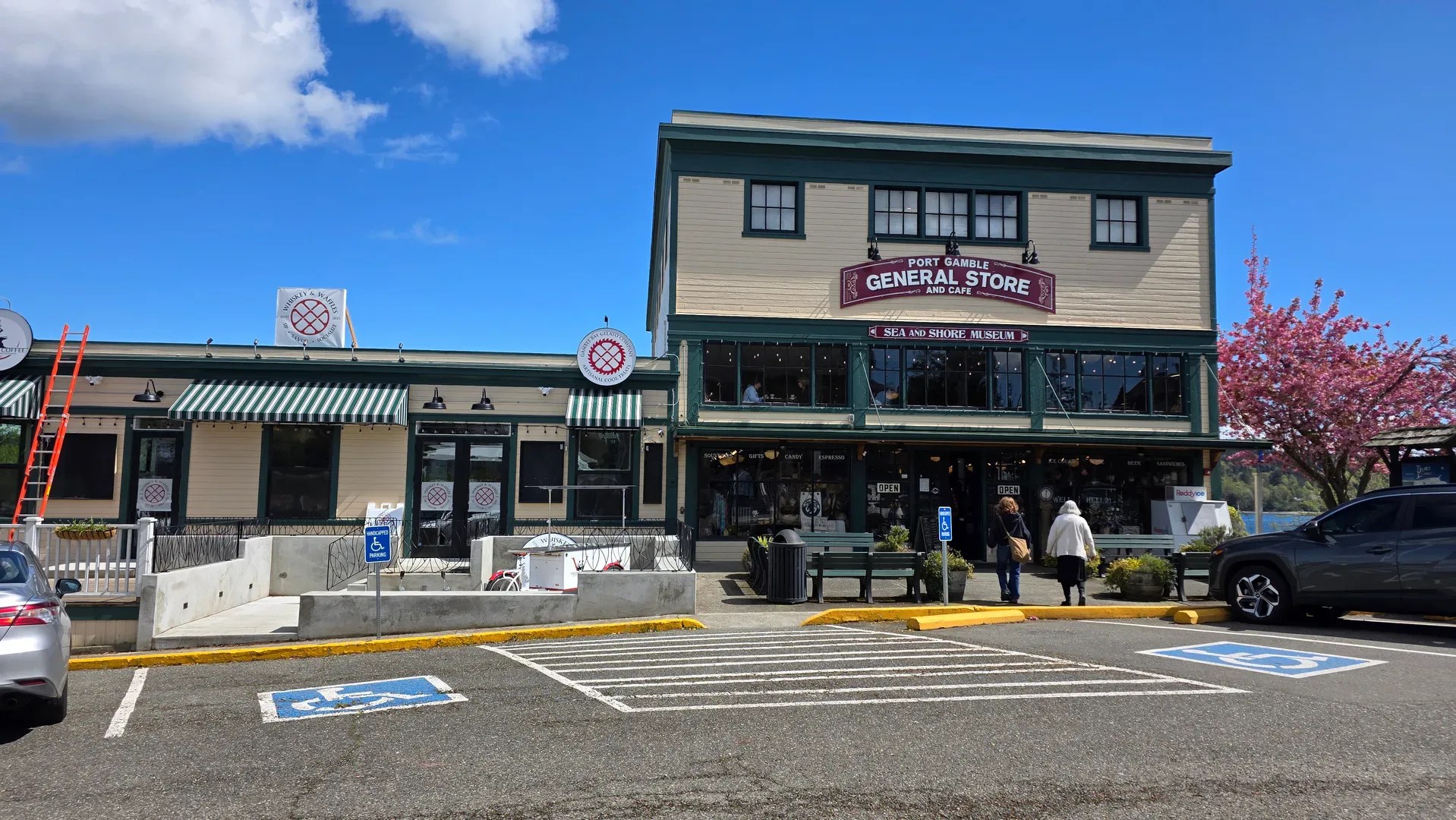
We then drove north in Seattle and took the Edmonds to Kingston ferry towards Olympic National Park. Our first stop was at Port Gamble, originally established as a company timber town in 1853, it is famous for its distinct 19th-century New England-style architecture.




Mount Olympus is a huge park, and being mid April, many of the higher and scenic roads were closed due to snow. Nonetheless we managed two hikes – the Heart o’ the Forest trail (8 km) and a hike up to the now demolished Elwha Dam (12.5 km). The hydroelectric dam was built in 1913 to provide electricity for the emerging local industries. After it was decommissioned and, following a huge environmental campaign, it was removed at great cost in 2012. This allowed salmon to once more populate the higher river (which, in turn, brought back other wildlife) and is considered a great success story. The next day, before taking the ferry from Port Angeles to Victoria in Canada, we visited the Port Angles Fine Art Centre to view the open air sculptures in the woodlands surrounding the centre.


Oh no! we missed the bubble gum wall😝
I love the covered bridges, and New England
Wooden clad houses, love the fifties car, reminds me of my childhood in Canada.
Showing my age now 🤣
Alaska is getting nearer, exciting!!!
My first thought was that it might have started been a ban on bubble gum at one time, to try to stop bubble pops during movies, wads of gum under the seats and on the floor, and little wrappers left all over the place, etc. Before entering the theater, patrons might have found it easy to just deposit their gum on the wall. It would be really disgusting if any then retrieved their gum when leaving!!!
Glad you enjoyed Washington, and glad you went through Edmonds, where I lived for 4 years when growing up. I know that ferry dock very well! Did you dance in Seattle? I know one of the teachers up there.
Unfortunately we did not get the chance to dance in Seattle:-(